May 8, 2026
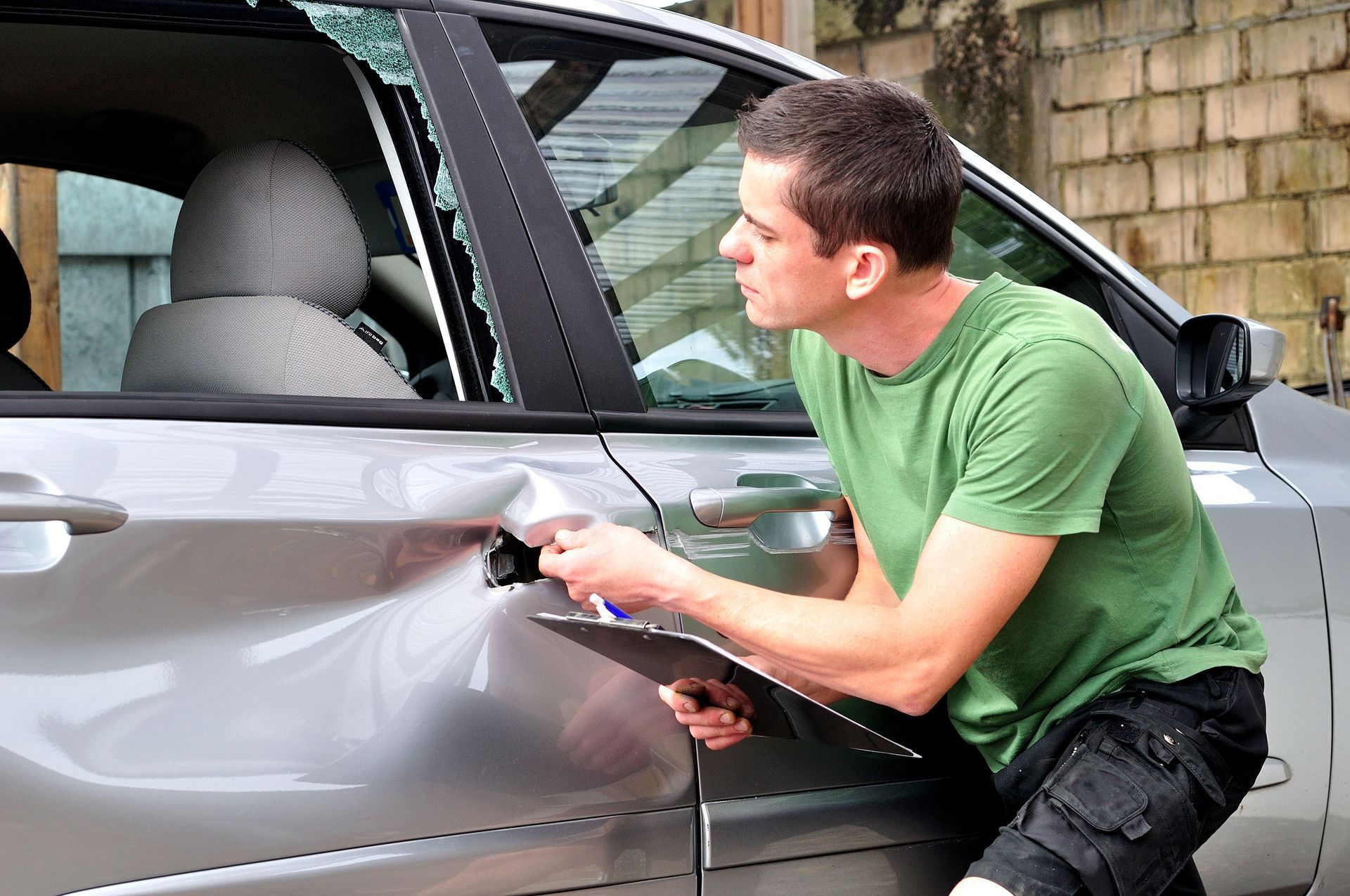
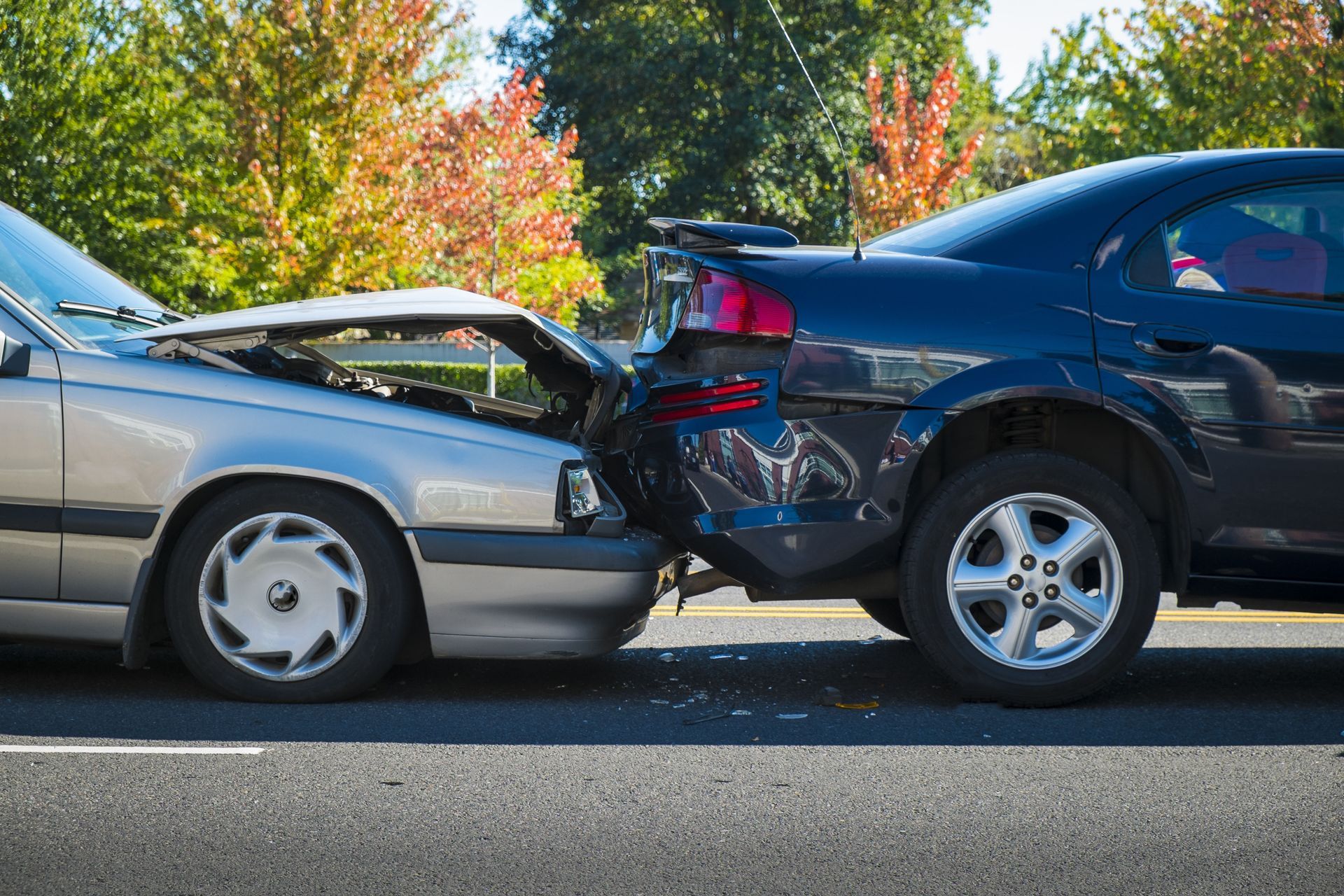
A car accident can be a jarring experience, even if the damage appears minor at first glance. A small dent in a bumper or a cracked headlight might seem like the only issues that need attention. However, what many drivers don't realize is that hidden damage after a collision can quietly compromise safety, performance, and long-term vehicle value. Beneath the surface, components may be bent, cracked, or misaligned in ways that are not immediately visible.
This is why visiting a professional auto body shop after any collision—large or small—is so important. Surface damage tells only part of the story. Modern vehicles are built with intricate structural systems, advanced safety features, and tightly integrated mechanical components. Even a low-speed impact can create problems that don't show up until weeks or months later. In fact, the demand for professional collision repair continues to rise as vehicles become more advanced. According to IBISWORLD, from 2020 to 2025, car body shop revenue was projected to grow at a CAGR of over 4% to approximately $73 billion, reflecting how frequently drivers rely on skilled repair facilities to properly diagnose and correct both visible and hidden damage.
Understanding what hidden damage looks like and why it matters can help you make informed decisions about your vehicle's care. Let's take a closer look at the risks you can't see and how proper inspection protects both you and your car.
Why Hidden Damage Is More Common Than You Think
Today's vehicles are designed with crumple zones and energy-absorbing components meant to protect passengers. While this engineering improves safety, it also means parts of the vehicle are intentionally designed to deform during a crash. That deformation can occur behind panels, under the car, or within the frame itself.
Even if your car still drives normally, underlying damage may include:
- Slight frame misalignment
- Compromised suspension components
- Hairline cracks in mounting brackets
- Internal bumper reinforcement damage
- Electrical wiring stress or disconnection
Because these issues aren't obvious, drivers sometimes skip a full inspection. Unfortunately, postponing a visit to an auto body shop can allow minor structural concerns to evolve into larger, more expensive problems.
Frame and Structural Damage: The Foundation of the Problem
Your vehicle's frame is its structural backbone. If it becomes bent or twisted—even slightly—it can affect alignment, handling, and safety. Structural damage is one of the most serious types of hidden collision damage, and it is not always visible without specialized equipment.
A compromised frame can lead to:
- Uneven tire wear
- Steering that pulls to one side
- Poor alignment despite repeated adjustments
- Reduced effectiveness of airbags in future collisions
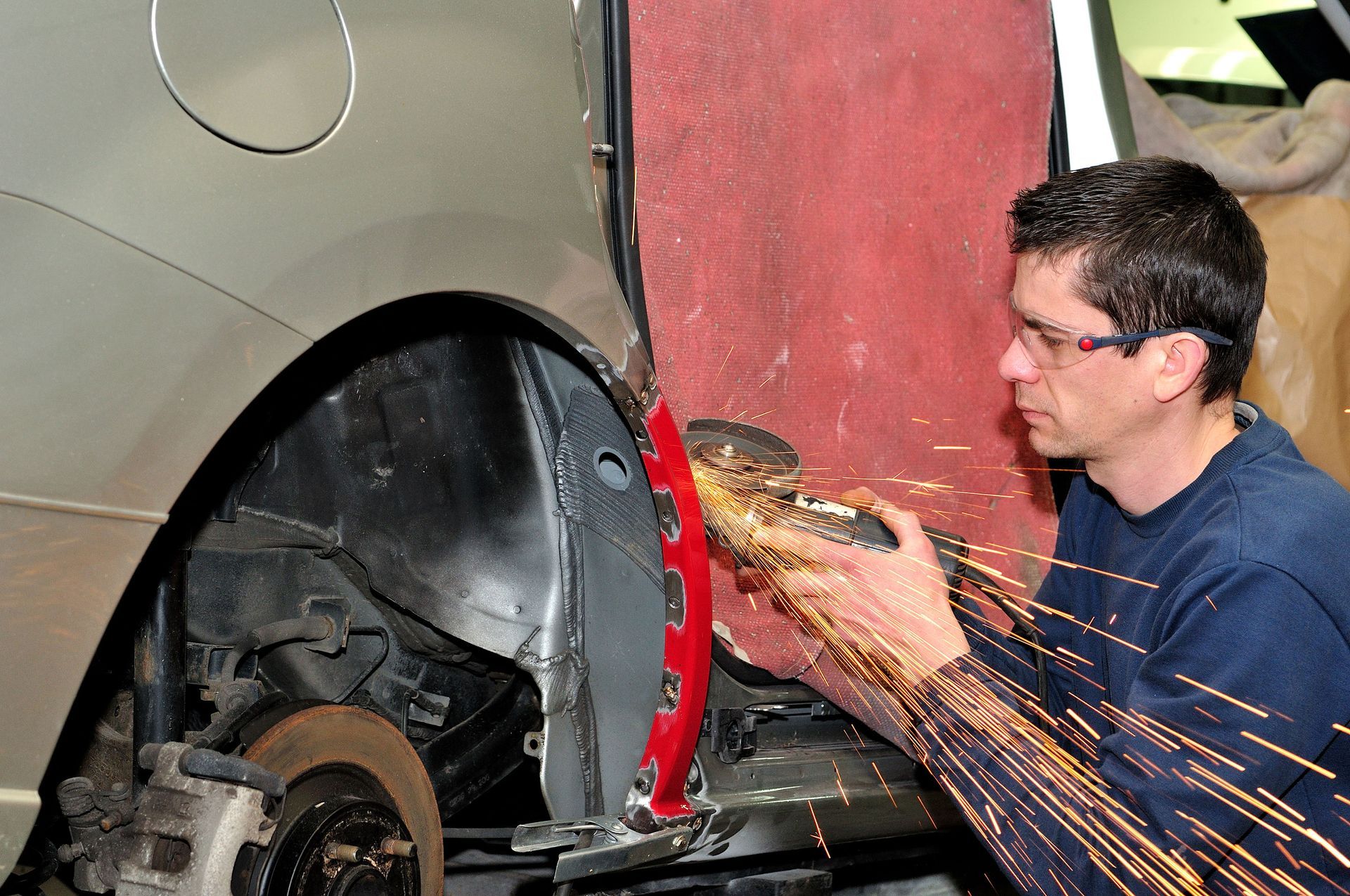
Modern repair facilities use computerized measuring systems to compare your vehicle's structure to factory specifications. A qualified auto body shop has the tools to identify these discrepancies and restore structural integrity through precision frame straightening.
Ignoring frame damage can make your vehicle less predictable on the road and may weaken its ability to protect you in another accident.
Suspension and Alignment Issues
After a collision, even if the body panels appear intact, the suspension system may have absorbed part of the impact. Suspension components—such as control arms, tie rods, and struts—are vulnerable during front or side impacts.
Symptoms of hidden suspension damage may include:
- Vibrations while driving
- Clunking noises over bumps
- Uneven tire wear
- A steering wheel that sits off-center
Because these symptoms sometimes develop gradually, drivers may not immediately connect them to a prior accident. A thorough inspection at an auto body shop can identify worn or bent components before they create larger mechanical failures.
Suspension issues also affect braking performance and overall vehicle stability, making early detection especially important.
Hidden Bumper Damage
Many drivers assume a bumper's purpose is purely cosmetic, but it actually contains reinforcement bars and impact-absorbing materials. Behind the painted plastic cover lies a carefully engineered system designed to distribute crash energy.
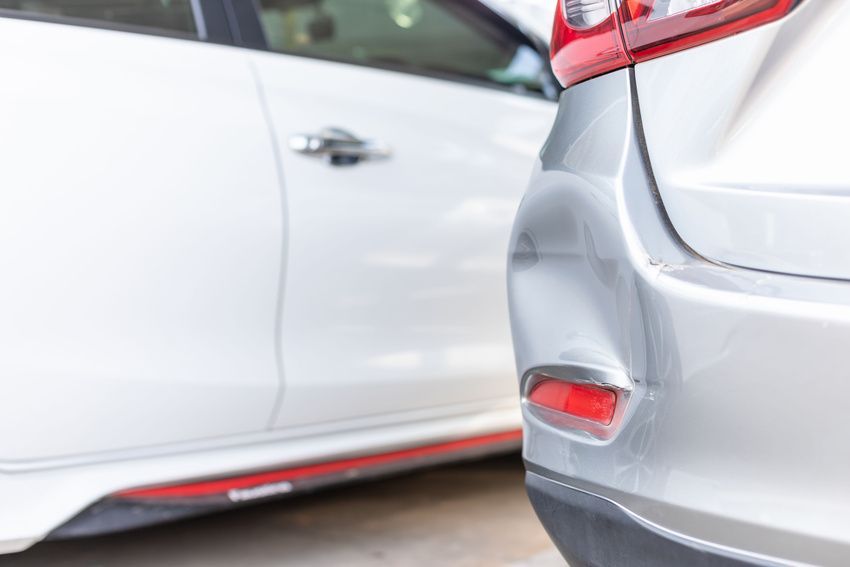
In low-speed collisions, the outer bumper may only show a small scuff. However, the internal reinforcement bar could be bent or cracked. If this hidden damage isn't repaired, the bumper may not perform properly in a future impact.
An experienced auto body shop removes the bumper cover during inspection to examine the internal structure. This step helps confirm whether internal supports need replacement, not just cosmetic refinishing.
Electrical and Sensor Malfunctions
Modern vehicles rely heavily on sensors and electronic systems. Backup cameras, blind-spot monitors, adaptive cruise control, and parking sensors are often embedded in bumpers and panels.
Even a seemingly minor impact can:
- Disrupt wiring connections
- Misalign sensors
- Damage mounting brackets
- Cause calibration errors
If these systems are not properly recalibrated after repairs, they may deliver inaccurate readings or fail to function altogether. A trusted auto body shop will not only repair visible damage but also verify that electronic systems are correctly restored and calibrated.
This step is especially important in vehicles equipped with advanced driver-assistance systems (ADAS).
Airbag System Concerns
Airbags rely on sensors positioned throughout the vehicle. In some cases, those sensors can be damaged or misaligned during a collision without triggering deployment.
If these components are compromised, they may:
- Fail to deploy in a future accident
- Deploy improperly
- Trigger warning lights intermittently
An inspection at an auto body shop includes scanning diagnostic systems to confirm airbag modules and sensors are functioning properly. Addressing this type of hidden damage is critical for passenger safety.
Cooling System and Engine Complications
Front-end collisions often impact more than the bumper. Radiators, cooling fans, and mounting supports can be affected even if the hood appears only slightly bent.
Hidden cooling system damage can lead to:
- Engine overheating
- Coolant leaks
- Reduced engine efficiency
- Long-term engine wear
A professional auto body shop examines the engine bay for bent supports, cracked housings, and fluid leaks. Detecting these issues early prevents costly engine repairs down the road.
The Long-Term Financial Impact of Ignoring Hidden Damage
Delaying repairs may seem like a way to save money, especially if your vehicle still drives. However, untreated structural or mechanical issues often lead to higher repair bills later.
For example:
- Misalignment can destroy a set of tires prematurely
- Suspension damage can worsen and affect additional components
- Electrical malfunctions can expand to other systems
Addressing problems early at a reputable auto body shop can reduce long-term expenses and preserve your vehicle's resale value.
Potential buyers and dealerships often inspect accident history and repair quality. Proper documentation from a certified repair facility demonstrates that your vehicle was restored responsibly.
Why a Professional Inspection Matters
Collision damage is rarely isolated to one visible area. Impacts transfer force through the vehicle's structure, meaning problems may appear far from the initial point of contact.
A comprehensive inspection at an auto body shop typically includes:
- Structural measurement
- Suspension evaluation
- Diagnostic system scanning
- Internal bumper inspection
- Paint and panel analysis
This thorough approach identifies concerns that are impossible to spot with a quick visual check.
Signs You Shouldn't Ignore After a Collision
Even if damage appears minor, watch for these warning signs in the days or weeks following an accident:
- Steering feels loose or stiff
- The car drifts while driving straight
- Unusual noises from the suspension
- Warning lights on the dashboard
- Water leaks into the cabin
- Doors or trunk not closing properly
If you notice any of these symptoms, scheduling an inspection at an auto body shop is a responsible next step.
Protecting Your Safety and Peace of Mind
Your vehicle is more than transportation—it's a protective system designed to keep you safe. When hidden damage goes unaddressed, that protection may be reduced without your knowledge.
Taking your car to an auto body shop after any collision allows trained professionals to evaluate the full scope of damage. Even when repairs appear cosmetic, the inspection process provides reassurance that deeper structural or mechanical concerns have not been overlooked.
Peace of mind is one of the most valuable outcomes of a thorough collision repair assessment.
It's easy to assume that small dents or scratches are only cosmetic. However, collisions often create a force that travels beyond what the eye can see. Frame distortion, suspension strain, sensor misalignment, and internal bumper damage can all occur beneath the surface.
Ignoring these issues may compromise performance, reduce safety, and increase long-term repair costs. Scheduling a comprehensive inspection at an experienced auto body shop after any accident—no matter how minor—helps confirm your vehicle is structurally sound and mechanically reliable. Reach out to Kosmetic Kar Doctor today to get started.