January 19, 2026
Finding a trustworthy shop for reliable collision repairs can be a challenge, especially after experiencing the stress of an accident. The quality of the repair work affects not only the car’s appearance but also its safety and long-term performance. A reputable shop ensures that all frame, paint, and structural work is completed to factory standards, giving drivers peace of mind when they return to the road. According to Autobody News, approximately 30% of drivers admit to being distracted while driving. This highlights the growing need for dependable auto body services to restore damaged vehicles safely. From inspecting the facility’s certifications to evaluating customer service and warranty policies, understanding what to look for in a collision repair shop can help consumers make informed, confident decisions.
Evaluating Certifications and Professional Standards
One of the first steps in finding a trusted shop for reliable collision repairs is verifying the certifications and qualifications of the technicians. Certified shops meet industry-recognized standards that ensure technicians have completed specialized training in collision repair, frame alignment, and paint restoration. Certifications such as those from I-CAR (Inter-Industry Conference on Auto Collision Repair) or ASE (Automotive Service Excellence) demonstrate that technicians are knowledgeable about modern repair technologies and safety protocols.
These credentials are particularly important because many newer vehicles feature complex materials like aluminum, high-strength steel, and advanced safety systems that require specialized tools and expertise to repair properly. A certified shop is more likely to use manufacturer-approved techniques and materials, helping preserve the integrity and value of the vehicle. Customers should also look for affiliations with major automakers, as these designations often indicate that the shop follows manufacturer-specific procedures and uses genuine replacement parts.
Comparing Services and Repair Capabilities
The best collision repair facilities offer a comprehensive range of services, from frame straightening and paint correction to bumper repair and detailing. A shop that can handle all aspects of collision repairs under one roof reduces the risk of miscommunication between different specialists and ensures consistent quality across the entire project. Essential services typically include frame alignment, dent removal, and auto painting, each of which plays a crucial role in restoring the vehicle’s performance and appearance.
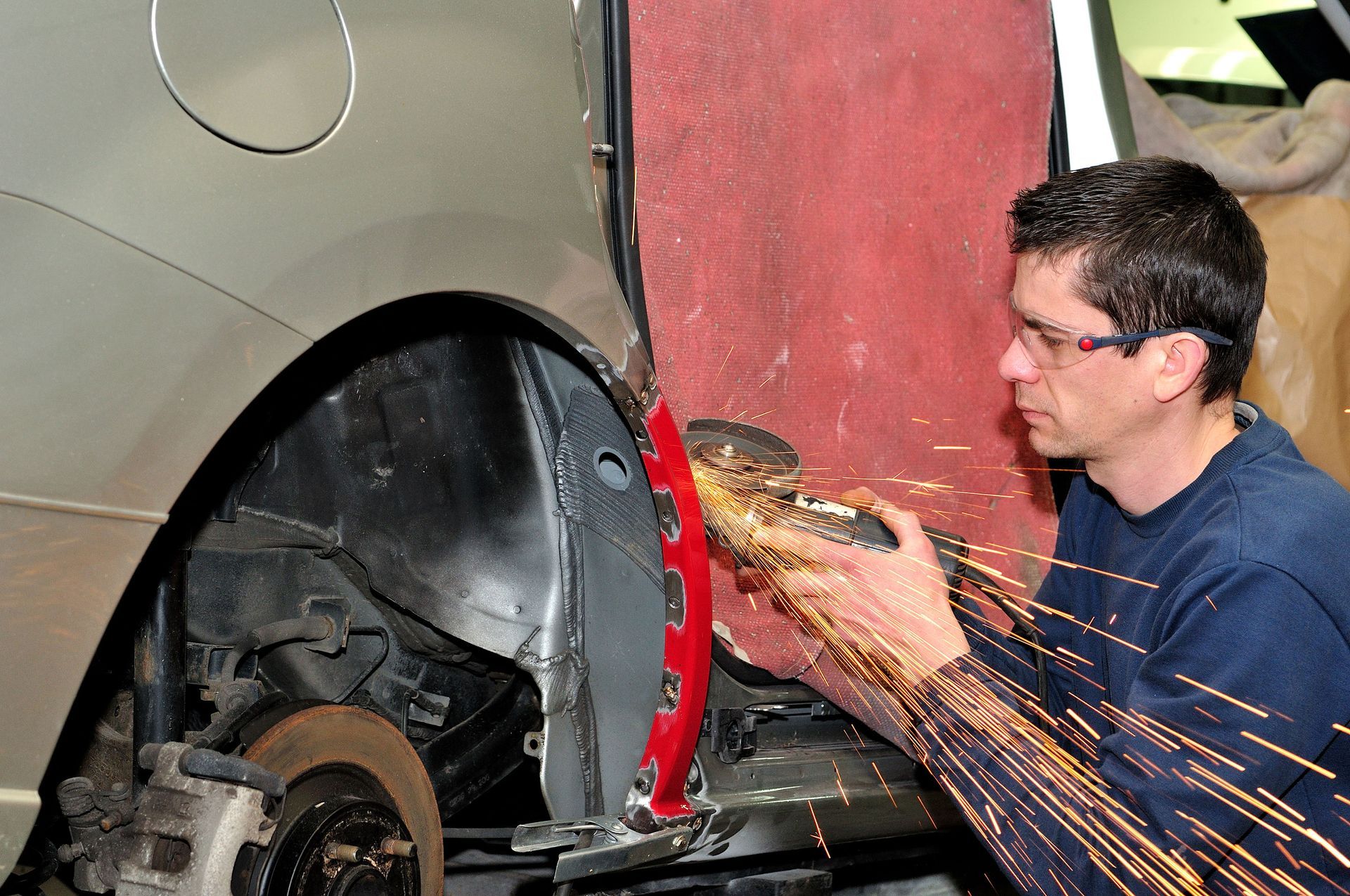
A reliable shop should also have the technology and expertise to work with advanced repair systems. Computerized frame measuring tools, paint-matching software, and precision alignment systems help technicians restore a car’s structure and finish with exceptional accuracy. The presence of these tools often indicates a facility that stays up to date with current automotive technology—a sign of professionalism and reliability.
In addition to core repair work, some facilities provide car detailing and cosmetic refinishing to ensure the vehicle looks as good as new. Services like paintless dent removal and scratch repair can be particularly beneficial for addressing minor damage without requiring a full repaint.
Customers should also confirm that the shop offers insurance claims assistance, as navigating the process of filing and managing a claim can be confusing. A shop experienced in working with insurers can streamline communication, ensure proper documentation, and help the customer receive fair coverage for the repairs performed.
Assessing Reputation and Customer Experience
A shop’s reputation is one of the strongest indicators of reliability. Before committing to a repair facility, it is wise to research online reviews, testimonials, and ratings on platforms such as Google, Yelp, and the Better Business Bureau. Look for patterns in customer feedback regarding timeliness, communication, and the overall quality of work. A reputable business will consistently receive positive reviews for its professionalism, honesty, and transparency in pricing.
In addition to digital reviews, personal referrals from friends, family, or coworkers can provide valuable insight into a shop’s reliability. People who have gone through the process of collision repairs firsthand can offer candid recommendations based on their experiences.
During an in-person visit, pay attention to how the staff communicates. A trustworthy repair facility will take the time to explain the repair process, provide detailed estimates, and answer questions about parts, labor, and timeframes. Clear communication and transparency foster trust and reduce the risk of unexpected costs or delays. Customers should also feel comfortable asking whether the shop uses original equipment manufacturer (OEM) parts or aftermarket alternatives, as this can affect both quality and warranty coverage.
A professional environment is another good sign. Clean, organized facilities reflect a company’s attention to detail and respect for its customers. If a shop appears disorganized, fails to provide a written estimate, or pressures the customer into unnecessary services, it may be best to look elsewhere. The best collision repair centers prioritize customer satisfaction, not quick turnover, and aim to build long-term relationships through honest, reliable service.
Reviewing Warranty Policies and Repair Guarantees
When it comes to vehicle repair, a strong warranty policy can make all the difference. Reliable shops stand behind their work by offering written warranties on parts, labor, or both. These guarantees not only protect the customer but also demonstrate the shop’s confidence in the quality of its craftsmanship.
Before agreeing to service, customers should ask for the details of the warranty coverage, including its duration, limitations, and whether it is honored at other locations. For example, a lifetime warranty on paintwork or frame repairs can provide lasting assurance that the work will hold up over time. Conversely, a short or vague warranty may signal that the shop lacks confidence in its repairs.
Insurance-related repairs often include additional guarantees through the insurance provider. A shop that regularly works with insurance companies will be familiar with these requirements and ensure that all documentation meets insurer expectations. In some cases, insurance-preferred facilities offer expedited repairs or direct billing, which can simplify the process for customers.
Transparency in warranty coverage also protects consumers from future issues. If a problem arises months after the repairs are completed, a shop with a clear and enforceable warranty will be more likely to address it promptly and professionally. This commitment to post-repair support reflects a business that values integrity and long-term customer satisfaction.
Inspecting Equipment, Technology, and Facilities
The quality of the equipment and technology used in a facility for collision repairs has a direct impact on the outcome of the repairs. Modern vehicles rely heavily on sensors, cameras, and computerized systems for safety and performance. Therefore, repair shops must be equipped with up-to-date tools capable of handling these advanced systems. A shop that invests in state-of-the-art frame alignment machines, digital paint-matching tools, and scanning devices for diagnostics demonstrates a serious commitment to quality.
Paint booths with controlled environments are particularly important for achieving flawless finishes free from dust or contamination. High-quality refinishing systems also ensure that paint color matches the original factory shade, maintaining the vehicle’s aesthetic appeal. In addition, proper curing methods—such as infrared or temperature-controlled drying—ensure long-lasting results and prevent peeling or fading.
Equally important is the shop’s organization and cleanliness. A well-maintained facility indicates professionalism and attention to detail. Vehicles should be stored safely, tools properly arranged, and staff equipped with protective gear. Customers should feel confident that their vehicle is being repaired in an environment that prioritizes care and precision.
Some facilities also use advanced management systems that track progress in real time, allowing customers to receive updates throughout the repair process. This transparency reinforces trust and provides reassurance that work is proceeding efficiently. In a competitive market, shops that combine advanced technology with excellent customer communication often set themselves apart as leaders in the industry. Call Kosmetic Kar Doctor today to schedule your auto repair or detailing service.