January 9, 2026
Understanding the complex relationship between auto body shops and insurance companies is crucial for any vehicle owner. After an accident, navigating the repair process can be daunting, with multiple steps and various stakeholders involved. This article explores the intricate processes, key players, and the step-by-step workflow involved in repairing a car after an accident with the assistance of insurance. By delving into these interactions, vehicle owners can gain insights that empower them to manage post-collision repairs effectively. Additionally, the role of regulatory bodies and legal frameworks in guiding these interactions is examined.
1. Initial Assessment and Claim Filing
1.1 Collision Assessment by Auto Body Shop
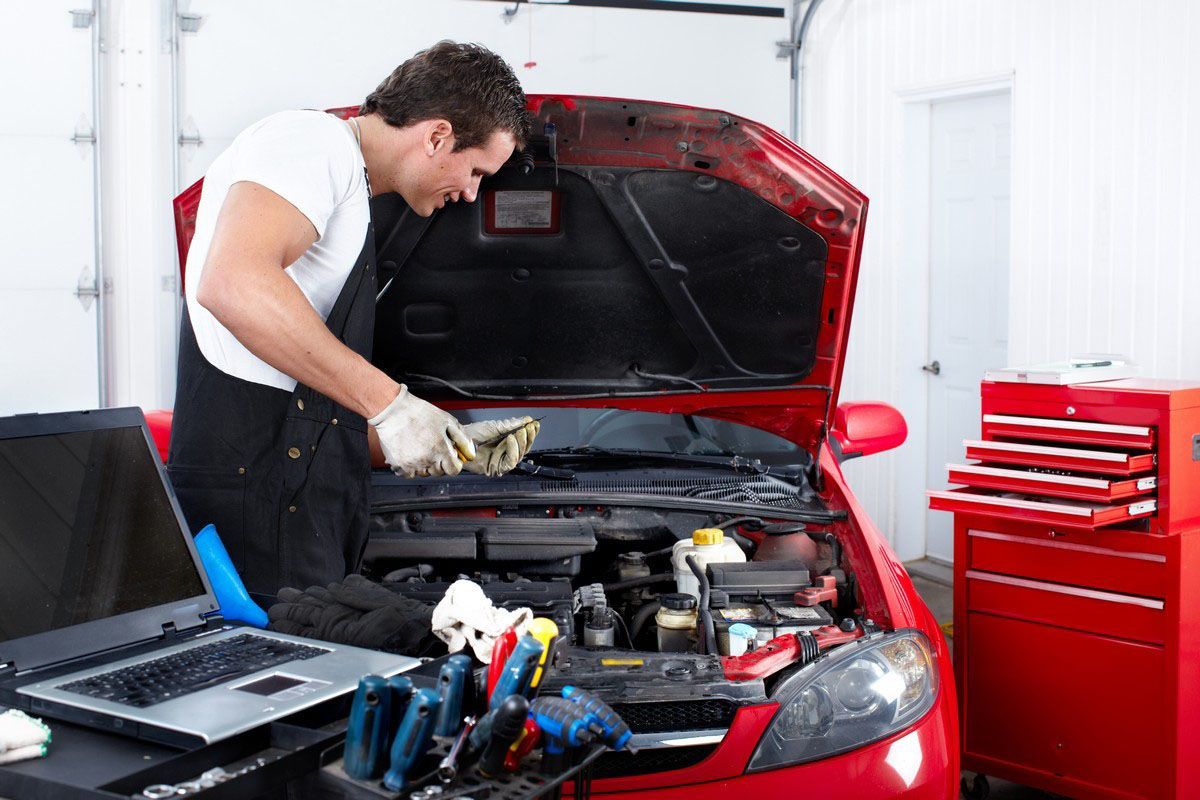
The first step in repairing a vehicle after a collision is a thorough assessment by an auto body shop. This assessment involves evaluating the extent of damage, both visible and structural, which is essential for crafting a comprehensive repair plan. Skilled technicians use sophisticated diagnostic tools to ensure no hidden damage goes unaccounted for, providing an accurate estimation. It's crucial for shop personnel to document damages meticulously, as these records form the basis for insurance claims. Vehicle owners often rely on the expertise of body shop professionals to guide them through this initial stage with transparency and precision.
1.2 Estimation Process and Tools Used
Accurate estimates are critical to establishing a trustworthy relationship with insurance companies. Body shops employ advanced software platforms to generate detailed repair estimates. These tools allow for the inclusion of various repair options, replacement parts, and potential labor costs. The digital nature of these estimates often facilitates quicker communication and approval processes with insurance providers. The availability of precise estimates is essential, as it can prevent discrepancies and delays further along in the repair process.
1.3 Filing a Claim with the Insurance Company
Once the vehicle's damage has been assessed, the next step is to file a claim with the insurance company. This process involves submitting the detailed damage assessment and repair estimate to the insurance provider. Proper filing is pivotal, as it sets the stage for all subsequent interactions between the insurer, body shop, and vehicle owner. Vehicle owners must ensure that all required documentation is accurate and complete to avoid delays in claim processing. Often, body shops assist vehicle owners in navigating the claims filing process, offering a smoother experience.
1.4 Role of Photographic Evidence
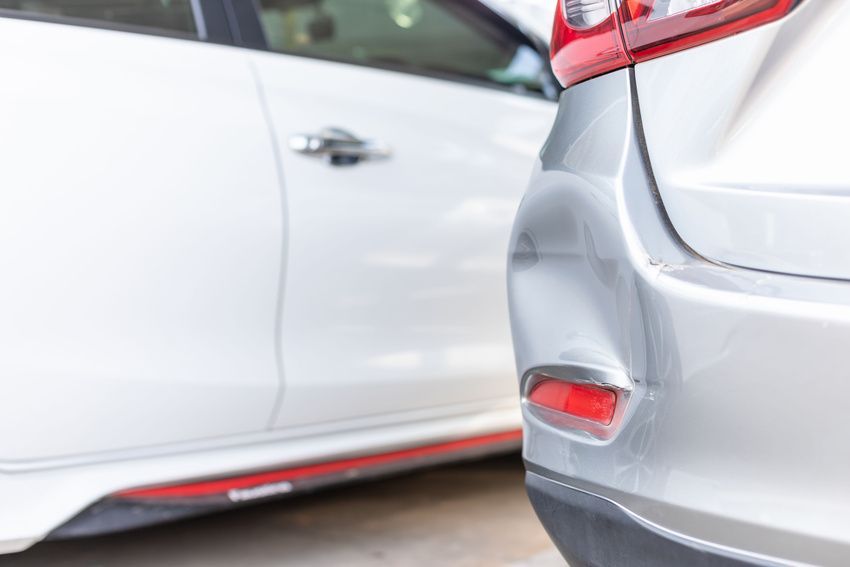
Photographic evidence serves as a critical tool in documenting the condition of the vehicle post-accident. High-quality images provide visual proof of damages and support the written assessment provided by the body shop. Insurance companies rely on these photos to verify claims, making it essential for both owners and shops to prioritize capturing clear and comprehensive images. Photos also serve as a useful record in case discrepancies arise during the claims process. Utilizing photographic documentation can streamline negotiations and expedite repair authorizations from insurers.
1.5 Communication Between Shop and Insurer
Effective communication between the auto body shop and the insurance company is vital for ensuring smooth and efficient claim processing. The shop must regularly update the insurer on assessments, estimates, and any changes in the repair plan. Consistent communication helps in resolving potential discrepancies and keeps the process transparent for both the insurance company and the policyholder. Timely interactions can also address any additional steps or requirements that may arise during the repair process. By maintaining an open line of communication, the shop ensures a more efficient workflow, leading to quicker approvals and repair completion.
2. Coordination and Communication with Insurance Adjusters
2.1 Understanding the Role of an Insurance Adjuster
Insurance adjusters play a pivotal role in validating and negotiating the claims submitted by body shops. Their job is to conduct an independent assessment of the vehicle damage and determine if the repair estimates align with the policy parameters. Adjusters analyze the documentation provided and cross-reference it with their findings to ensure consistency and fairness. Building a good rapport with adjusters is beneficial for the body shop as it can lead to expedited approvals. Understanding the adjuster's perspective and their constraints is essential for managing expectations throughout the claim settlement process.
2.2 Scheduling Inspections with Adjusters
Coordinating the inspection schedule with an insurance adjuster is a critical step in the claims process. Inspections allow the adjuster to physically verify the damage and ensure the repair estimate's accuracy. Auto body shops must be flexible yet assertive in securing timely appointments to avoid delays. The shop often serves as a liaison, coordinating times and locations convenient for both the adjuster and the customer. Quick and proactive scheduling reflects positively on the shop's professionalism and can foster a smoother claims process.
2.3 Discrepancies in Damage Assessment
Discrepancies in damage assessments between the shop's technicians and the insurance adjuster can arise. These differences might stem from varying interpretations of damage severity or repair necessity. Addressing discrepancies early and diplomatically is critical to resolving issues without escalating tensions. Shops must provide detailed evidence and documentation to support their assessments, making a strong case for their repair recommendations. A collaborative approach to resolving differences can lead to better outcomes for all parties involved.
2.4 Negotiation Tactics for Repair Approval
Negotiations are an integral part of achieving repair approval from insurance companies. Auto body shops must adopt effective strategies, such as providing extensive evidence, offering cost-effective alternatives, and emphasizing quality. Clear communication and an understanding of insurance policy terms enhance negotiation success. Shops should prepare to justify their repair plans robustly while staying open to potential compromises. Successful negotiations underpin the efficiency of the claims process, enabling timely repair authorizations and customer satisfaction.
2.5 Importance of Detailed Repair Reports
The creation of comprehensive repair reports is a critical practice for any auto body shop. These reports outline the damage, propose repair solutions, list cost estimates, and include all supporting documentation. Detailed reports facilitate better understanding and transparency between the auto body shop and the insurance company. They serve as a record for future reference, should questions or disputes arise. Thorough documentation reflects the shop's professionalism and can often expedite the claims settlement process, fostering trust with both insurers and customers.
3. Approval and Authorization Processes
3.1 Gaining Pre-authorization for Repairs
Securing pre-authorization from insurance companies is essential before commencing repair work on a vehicle. This step ensures that the costs involved are covered under the policy, thereby preventing unexpected out-of-pocket expenses for customers. Pre-authorization involves submitting detailed repair outlines, cost estimates, and other necessary documentation to the insurer for approval. Auto body shops must communicate clearly and provide all relevant information to speed up the authorization process. For vehicle owners, understanding this requirement helps in managing repair timelines and expectations more effectively.
3.2 Understanding Approved Repair Networks
Many insurance companies have networks of approved auto body shops that they prefer to work with, known as Direct Repair Programs (DRPs). These partnerships often streamline the approval process, as the shops are pre-vetted and adhere to specific standards set by insurers. For customers, choosing an approved repair shop can result in quicker repairs and potentially lower costs due to negotiated rates. Being part of an approved network can enhance a body shop's reputation and attract more business. However, these partnerships may also require the shop to navigate specific protocols and maintain high-performance metrics.
3.3 Managing Partial Approvals
At times, insurance companies may only issue partial approvals for a proposed repair plan. Such scenarios require the body shop to assess which elements of the repair can be immediately addressed and which need further negotiation. It's crucial for shops to communicate clearly with the customer about what's been approved and the steps needed to secure complete authorization. According to IIHS-HLDI, preliminary data for the first half of 2025 indicates a 13% decrease in motor-vehicle deaths compared to 2024. Auto body shops must be adept at prioritizing repairs efficiently without compromising vehicle safety. Resolving partial approvals requires tact and diplomacy, often needing additional rounds of negotiation and documentation.
The synergy between auto body shops and insurance companies is crucial to ensuring efficient and cost-effective vehicle repairs. By understanding the procedures, challenges, and safeguards involved in their relationship, vehicle owners can make informed decisions and navigate claims more effectively. As future trends continue to shape the industry landscape, the collaboration between all parties will play an essential role in delivering quality and assurance to vehicle owners everywhere. Be sure to reach out to Kosmetic Kar Doctor today for more information on our professional auto body shops!