September 10, 2026
Vehicle damage can happen in an instant, whether from a collision, parking lot incident, weather event, or another unexpected situation. Once damage occurs, the quality of the repair can affect more than a vehicle's appearance. Proper bodywork can help restore the vehicle's panels, finishes, structural components, and overall condition. Knowing what to look for when comparing local auto body shops can help vehicle owners make informed decisions about where to have their vehicles repaired.
Quality auto body work involves much more than making dents disappear or applying a fresh coat of paint. Professional technicians must evaluate the extent of damage, identify affected components, and use appropriate repair procedures for the vehicle. They also need to pay attention to details such as panel alignment, paint matching, and finish quality. Looking at these factors can provide useful insight into the standard of work a shop provides.
Evaluating Overall Shop Presentation
The condition and organization of an auto body facility can provide an initial impression of its approach to vehicle repairs. A professional shop may have designated areas for vehicle assessment, body repairs, refinishing, and other stages of the repair process. Organized work areas can help technicians manage vehicles and equipment efficiently. While appearance alone cannot determine repair quality, a well-maintained facility can demonstrate attention to professional operations.
When evaluating local auto body shops, vehicle owners can consider whether the facility appears organized and appropriately equipped for the services it provides. A shop handling significant collision repairs should have access to suitable tools and equipment for addressing different types of vehicle damage. Professional facilities may also maintain dedicated areas for refinishing and other specialized work. These observations can help provide context when evaluating a shop's capabilities.
Reviewing Repair Experience
Auto body repairs can involve many different types of damage, from minor dents and scratches to extensive collision damage. Experience with a range of repair situations can help technicians understand how different materials and vehicle components should be addressed. Modern vehicles can also incorporate advanced materials, sensors, cameras, and structural designs that require specific knowledge. A shop's experience can therefore be an important factor when evaluating its services.
Local auto body shops may specialize in different types of repairs or vehicles, so it is useful to determine whether a shop's experience aligns with the damage involved. Technicians should be able to explain the general repair process and identify the areas that require attention. Clear explanations can demonstrate that the shop understands the scope of the work. A knowledgeable approach can contribute to a more organized and thorough repair process.
Inspecting Panel Alignment
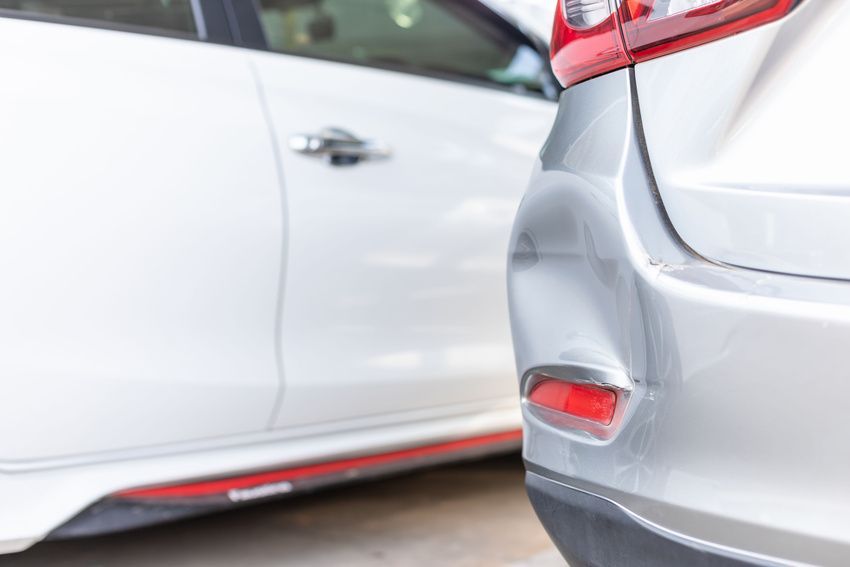
Panel alignment is one of the most visible indicators of body repair quality. After a collision, doors, hoods, fenders, trunks, and other panels can become displaced or distorted. Even small alignment problems can be noticeable once the vehicle is reassembled. Properly aligned panels should create consistent gaps and maintain the vehicle's original appearance.
When comparing local auto body shops, vehicle owners can ask how technicians address panel alignment during repairs. Professional bodywork requires careful attention to how individual components fit together. Technicians may need to repair, reposition, or replace damaged parts to restore appropriate alignment. Consistent gaps and properly positioned panels contribute to a finished appearance that looks cohesive.
Assessing Paint Matching
Paint quality is another important consideration following body repairs. Modern automotive finishes can involve multiple layers and complex color characteristics, making an accurate match more involved than simply selecting a similar paint color. Differences in shade, gloss, or texture can become obvious under sunlight or other lighting conditions. Professional refinishing should account for these factors when restoring a damaged area.
Local auto body shops with professional refinishing capabilities can evaluate the vehicle's existing finish before completing paint work. Technicians may consider the original color, surrounding panels, finish characteristics, and how the new coating should blend with existing paint. Proper preparation is also important for creating a smooth and consistent result. A quality finish should complement the surrounding body rather than appearing noticeably different.
Checking Surface Preparation
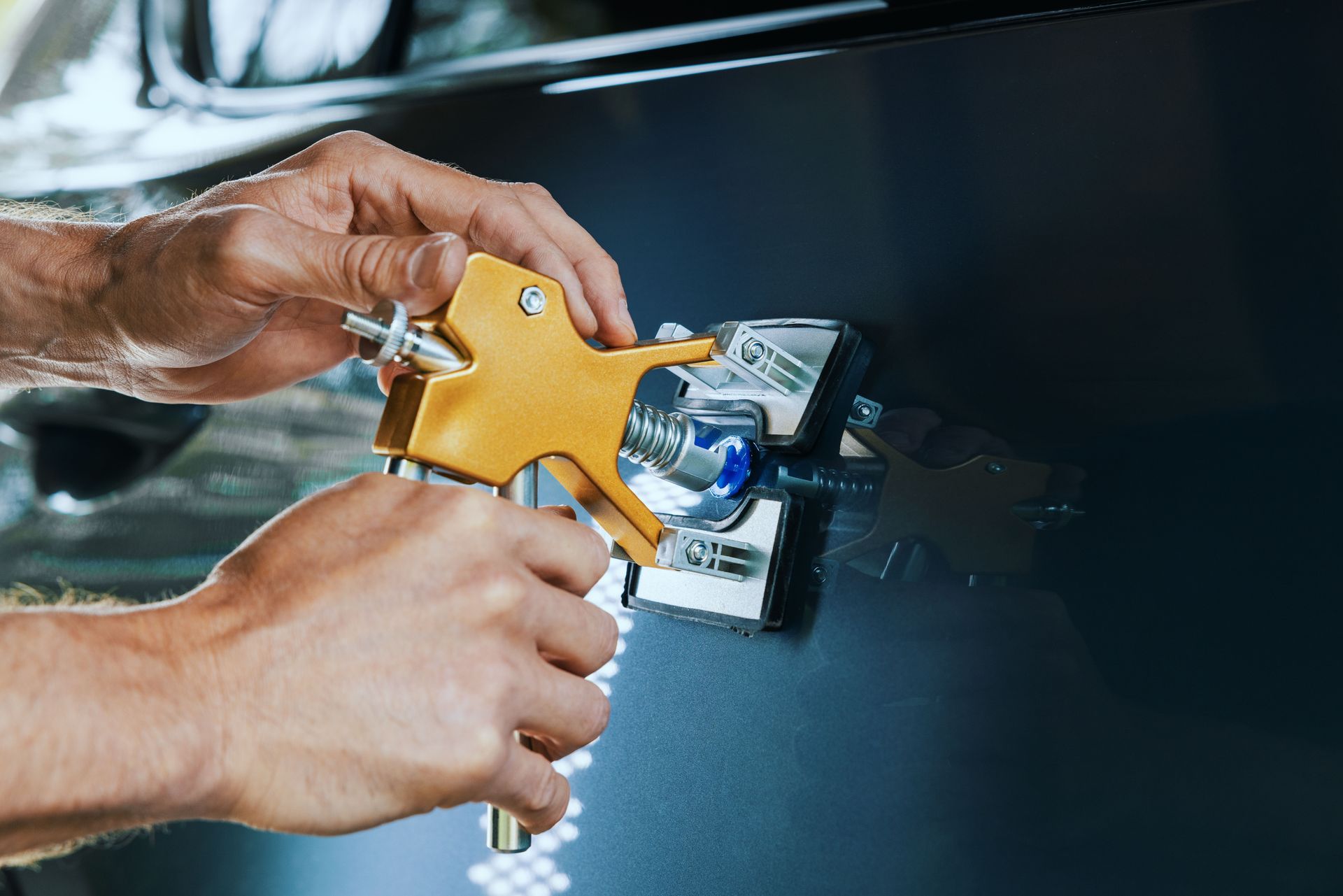
Paint application depends heavily on the condition of the surface underneath it. Dents, scratches, repaired areas, and replacement panels may require preparation before refinishing can begin. Inadequate preparation can contribute to visible imperfections in the finished coating. Professional technicians understand that refinishing quality starts before paint is applied.
When evaluating local auto body shops, vehicle owners can ask about the preparation process used before refinishing. A professional repair plan should account for the condition of each damaged surface. Technicians may need to smooth repaired areas, address imperfections, and prepare panels for appropriate coating application. Thorough preparation can support a cleaner and more uniform finished appearance.
Examining Replacement Components
Some collision repairs require damaged components to be replaced rather than repaired. Replacement parts can include body panels, lights, trim, mirrors, grilles, and other vehicle components. Proper fit and compatibility are important because replacement parts need to work appropriately with the surrounding vehicle components. The type and quality of replacement components can therefore influence the finished repair.
Local auto body shops should be able to explain which components require replacement and how those parts fit into the repair plan. Technicians can consider the vehicle's specifications when determining appropriate components. Proper installation also requires attention to alignment, attachment points, and surrounding parts. A well-integrated replacement should look and function consistently with the rest of the vehicle.
Considering Structural Repairs
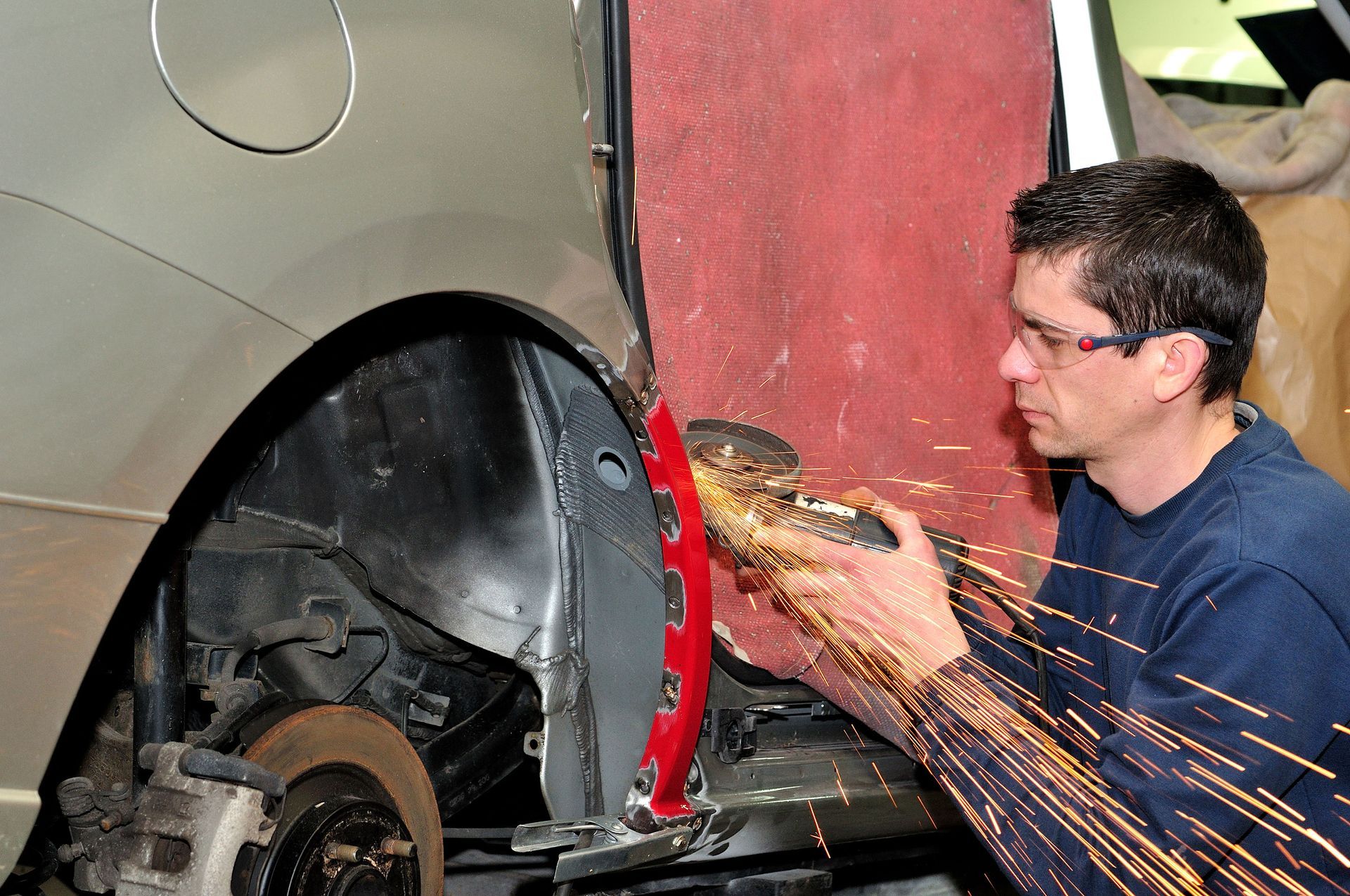
Some collisions cause damage that extends beyond visible body panels. Structural components can be affected even when the exterior damage does not fully reveal the extent of the impact. Correctly identifying and addressing structural damage is an important part of comprehensive collision repair. Professional technicians use appropriate equipment and procedures to evaluate and repair affected areas.
When comparing local auto body shops, it is important to consider whether a facility has the capabilities necessary for the type of structural work involved. Shops handling significant collision damage should understand the importance of accurate measurements and proper repair procedures. Structural repairs require precision because improperly restored components can affect other aspects of the vehicle. A thorough repair process considers both visible and underlying damage.
Understanding Collision Repair Demand
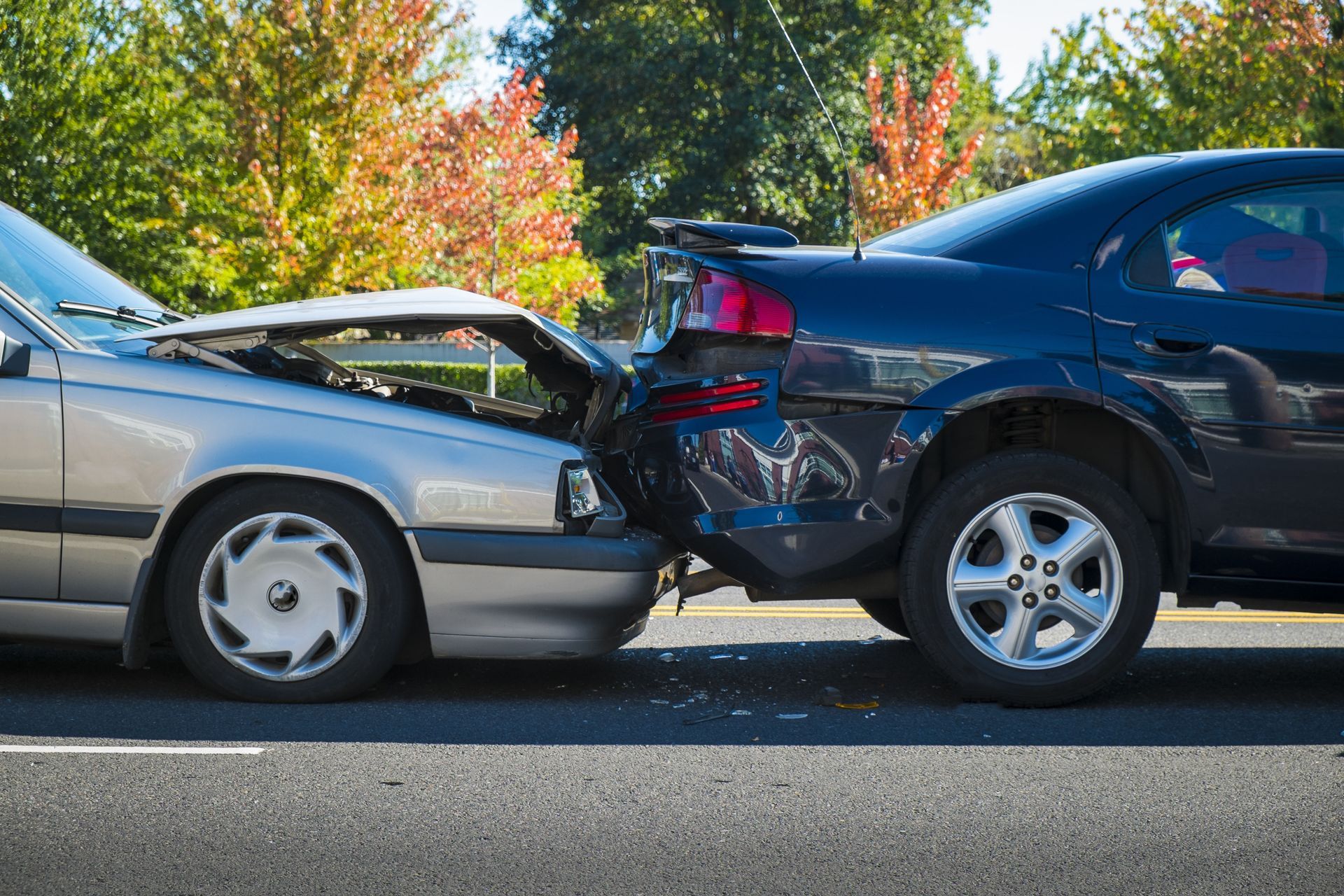
Collision repairs are a common part of vehicle ownership, making access to professional auto body services important for many drivers. According to the National Safety Council, approximately 4.9% of insured drivers submit a collision claim in a typical year, while about 2.4% file a property damage liability claim. These figures illustrate how frequently drivers may encounter situations requiring vehicle or property damage claims. When repairs are necessary, evaluating the quality and capabilities of an auto body shop can help guide the selection process.
The extent of a collision can vary significantly from one incident to another. Some vehicles may need localized body repairs, while others require extensive structural, mechanical, refinishing, or safety-system work. This variation makes it important to evaluate a shop according to the specific services a vehicle requires. Professional communication can help vehicle owners understand the scope of repairs before work begins.
If your vehicle has suffered body damage, we are ready to help you understand the repair process and determine the appropriate services for your vehicle. Contact Kosmetic Kar Doctor to discuss your repair needs and learn more about how our team can help restore your vehicle.