June 25, 2026
Vehicle owners dread discovering a new blemish on a pristine exterior. A stray shopping cart, a careless door swing, or a sudden hailstorm leaves behind unsightly surface imperfections. These blemishes detract from the aesthetic appeal and diminish the overall value of the automobile. Traditional bodywork requires extensive labor, sanding, and repainting. Modern techniques offer a streamlined alternative that preserves the original factory finish.
Paintless dent repair provides an innovative solution for restoring automobile exteriors. This specialized technique addresses surface damage without compromising the existing paintwork. Technicians use precision and mechanical skill to manipulate the metal back to its original shape. Understanding the mechanics of this method helps vehicle owners make informed decisions regarding automobile maintenance. The process offers distinct advantages over conventional collision center methods.
Exploring the Repair Process
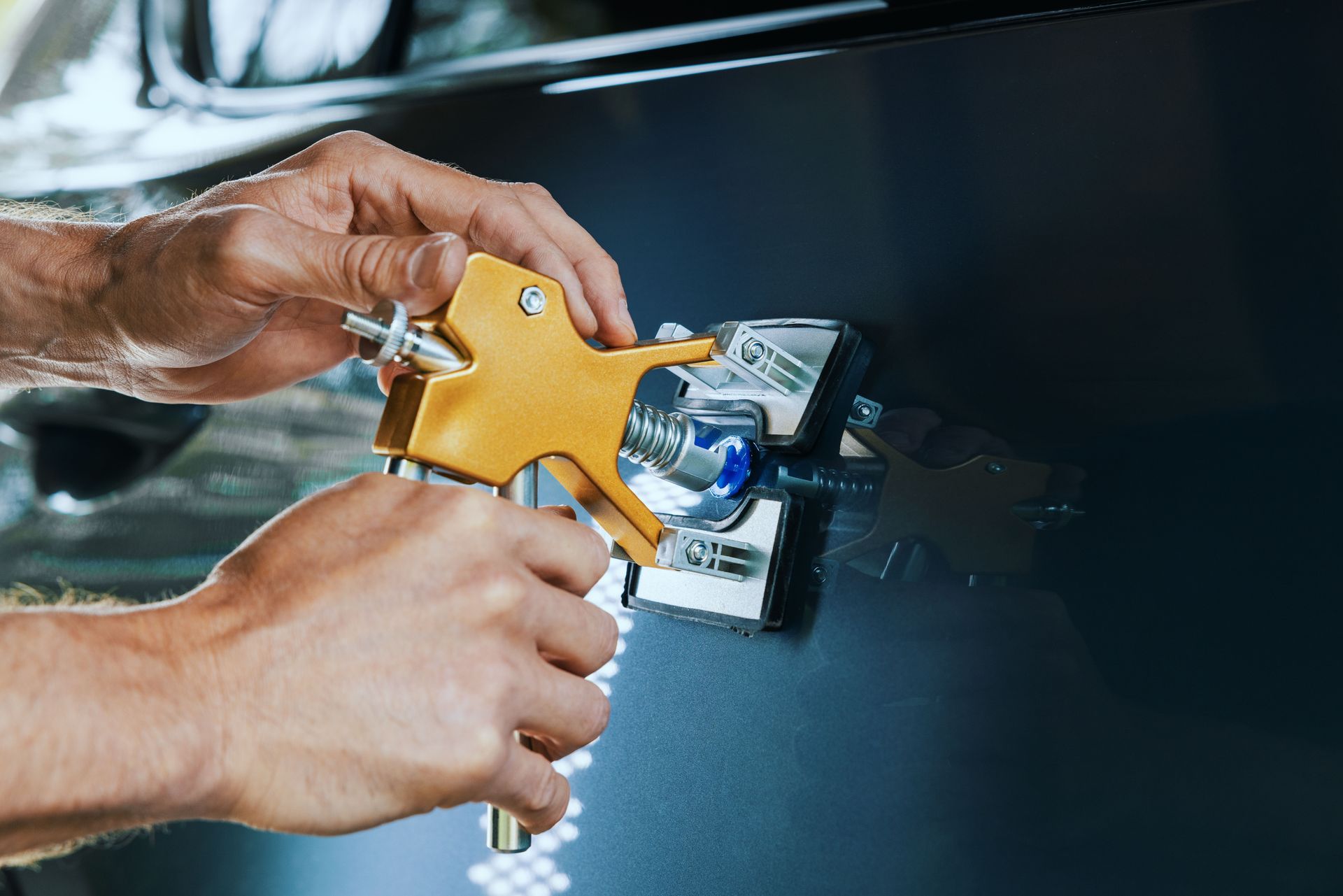
The foundation of paintless dent repair lies in manipulating metal from behind the affected panel. Technicians utilize an array of specialized rods and picks to access the interior side of the damage. This access requires careful removal of interior panels, taillights, or window trimmings. Once the back of the dent becomes exposed, the technician assesses the metal curvature and plans the complete restoration strategy.
Precision guides the entire restoration. Technicians apply controlled pressure to massage the deformed metal outward. They use reflective lighting boards to read the topography of the damage. The reflection highlights the exact center and edges of the depression. By interpreting these reflections, the technician knows where to push. The metal responds to this targeted pressure, moving back toward the original factory alignment.
Patience remains crucial during metal manipulation. Pushing the metal requires incremental adjustments rather than forceful shoves. Excessive pressure creates high spots, which cause further structural complications. The technician blends the edges of the impact zone into the surrounding flat surface. The metal memory assists in this process, as steel and aluminum prefer their stamped factory shapes. The deliberate manipulation prevents paint cracking.
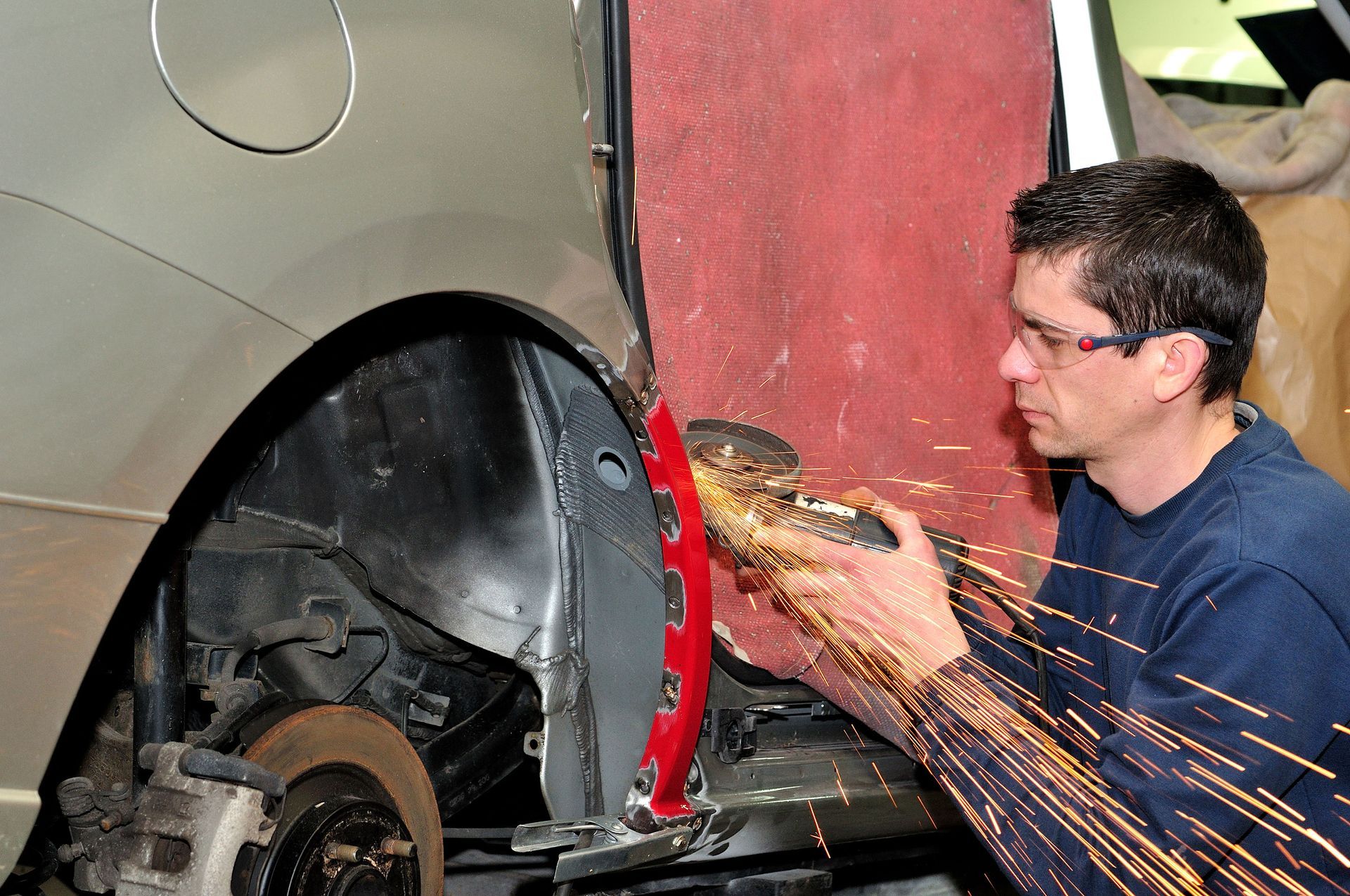
Traditional repair facilities fill imperfections with putty before applying fresh coats of primer and base color. This modern technique skips those intrusive steps. Many traditional auto body shops now offer this modern alternative alongside conventional services. Omitting body filler ensures the repair remains invisible. The absence of color matching eliminates the risk of mismatched panels. The vehicle retains the durable factory clear coat.
Identifying the Ideal Candidates
Not every vehicle blemish qualifies for this specialized procedure. The primary requirement dictates that the paint must remain completely intact. If the impact scratched the clear coat or cracked the base color, traditional repainting becomes necessary. The metal manipulation cannot fix missing paint or deep gouges. Technicians inspect the impact site for microscopic fractures in the clear coat before beginning work. Intact finishes are mandatory for successful restoration.
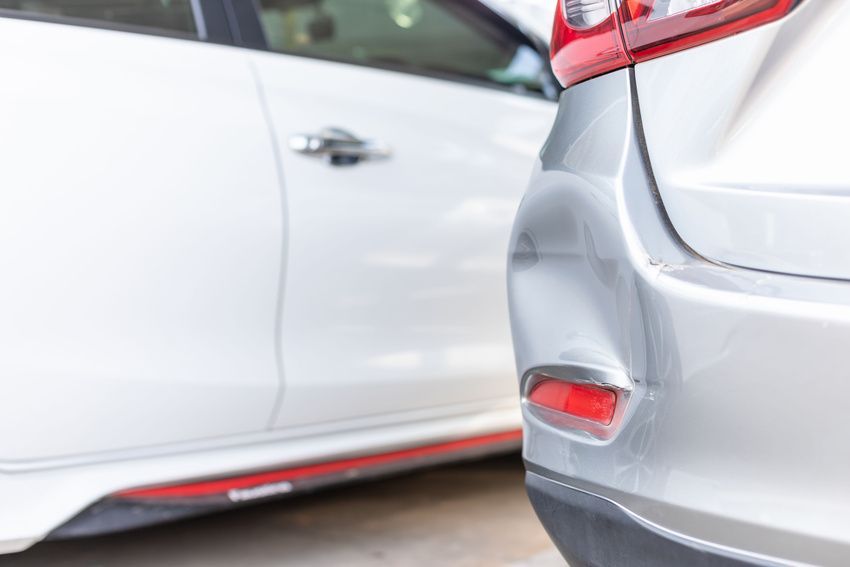
The size and location of the impact dictate the feasibility of the procedure. Smooth, shallow depressions make the best candidates. Sharp creases or deep impacts stretch the metal beyond structural recovery. According to CapitalOne, 80% to 90% of dents on vehicles can be resolved with paintless dent repair. This statistic highlights the broad applicability of the technique for everyday parking lot mishaps, stray golf balls, and weather damage.
Proximity to the panel edges presents unique access challenges. The metal near the edge of a door or hood features double-layered reinforcement. This structural reinforcement makes the metal rigid and difficult to massage. Technicians struggle to access the backside of the edge damage. Advanced tools and evolving techniques allow skilled operators to handle complex edge impacts. Material composition also plays a role in determining the outcome of the repair.
Modern vehicles utilize various high-strength steels and lightweight aluminum alloys. Aluminum possesses less memory than steel and requires extra effort to reshape. High-strength steel demands pressure to manipulate. Some auto body shops employ specialized heating techniques to make rigid metals pliable. Technicians adapt their strategies based on the specific material of the damaged panel. Material knowledge separates novices from master technicians capable of panel restorations.
Evaluating the Key Advantages
Time conservation stands as a significant benefit of this restoration method. Conventional repairs keep vehicles off the road for several days or weeks. Technicians must wait for the filler to cure and the paint to dry. The paintless approach eliminates curing times. Professionals complete minor repairs in a few hours. Vehicle owners retrieve their automobiles the same day, minimizing disruption to daily routines and commutes.
Cost reduction provides another compelling reason to choose this method. The process requires fewer materials. Technicians use no sandpapers, masking tapes, base coats, or clear coats. Reduced material usage translates to lower overall invoices. Many auto body shops charge less for this service compared to full panel repainting. Insurance providers favor this method due to the reduced claim amounts and eliminated rental car expenses.
The environmental impact of automotive repair drops significantly with this technique. Conventional repainting releases volatile organic compounds into the atmosphere. Paint booths consume vast amounts of electricity. Toxic solvents are required to clean spray guns and equipment. The paintless method requires none of these harmful substances. The process relies solely on hand tools and human physical effort. This makes it an eco-conscious automotive choice.
Preserving the automobile resale value remains the most crucial advantage. Factory paint holds a superior durability compared to aftermarket finishes. Buyers use paint depth gauges to detect repainted panels. A repainted panel suggests a history of severe collisions. By maintaining the original finish, the vehicle retains a clean history report. Some auto body shops emphasize this value retention when advising clients on repair options.
Selecting the Right Professionals
The success of the restoration depends entirely on the operator. This trade requires intense manual dexterity and visual acuity. No automated machines perform this delicate task. The technician acts as an artisan, sculpting the metal by feel and sight. Inexperienced operators cause irreversible damage by cracking the paint or stretching the metal. Proper training takes years of dedicated practice on scrap metal panels.
Vehicle owners must research prospective technicians before authorizing work. Evaluating past restoration portfolios provides insight into skill levels. Before-and-after photographs reveal the operator's ability to handle complex creases and large depressions. Reputable auto body shops display their past work to potential clients. Reading customer testimonials offers another layer of confidence in the chosen professional. Transparency in the initial assessment phase indicates a reliable technician.
The consultation phase serves as a vital step in the process. A skilled professional examines the vehicle under specialized lighting. They provide a clear explanation of the expected outcome. Honest operators admit when a blemish exceeds the limits of the paintless method. They refuse jobs that require conventional painting. Setting realistic expectations ensures customer satisfaction and prevents disputes over the final aesthetic results.
Accessibility of these services continues to expand. Mobile operators travel directly to residential driveways or office parking lots. This mobile convenience appeals to busy individuals. Alternatively, traditional auto body shops provide dedicated indoor bays for this exact service. Both options offer exceptional results when staffed by competent artisans. The choice depends on the schedule, preferences, and logistical requirements of the vehicle owner.
Paintless dent repair transforms automotive maintenance by offering a sensible alternative to extensive bodywork. The process leverages the structural properties of automotive metals to reverse surface damage. By avoiding body fillers and aftermarket paints, the automobile retains its structural integrity and aesthetic appeal. The technique handles everything from minor door dings to extensive hail damage, provided the factory finish remains intact.
Understanding the capabilities and limitations of this procedure empowers vehicle owners. They bypass lengthy conventional repairs for appropriate blemishes. The focus remains on preserving the factory condition of the automobile. As automotive manufacturing evolves, these restoration techniques adapt to new materials and panel designs. This modern method secures its place as a cornerstone of advanced automotive care, ensuring vehicles maintain their original beauty. If you are evaluating auto body shops for exterior repairs, contact Kosmetic Kar Doctor to schedule a professional assessment. A scheduled consultation ensures your automobile regains its pristine factory finish.